
Live dealer roulette brings the floor to your screen, with a real croupier calling numbers from a studio that feels a long way from a Brisbane pub. For an Australian adult 18+, the appeal is simple: the spin is visible, the wheel is physical, and the pace is set by a person rather than a random-number script. I’ve spent more than a decade inside iGaming lotteries and affiliate growth, and the pattern is familiar – players stick with what feels transparent, not what promises the moon. This walkthrough follows how a player actually meets the table, from the first click to the moment a session closes.
What a Live Dealer Table Looks Like in Practice
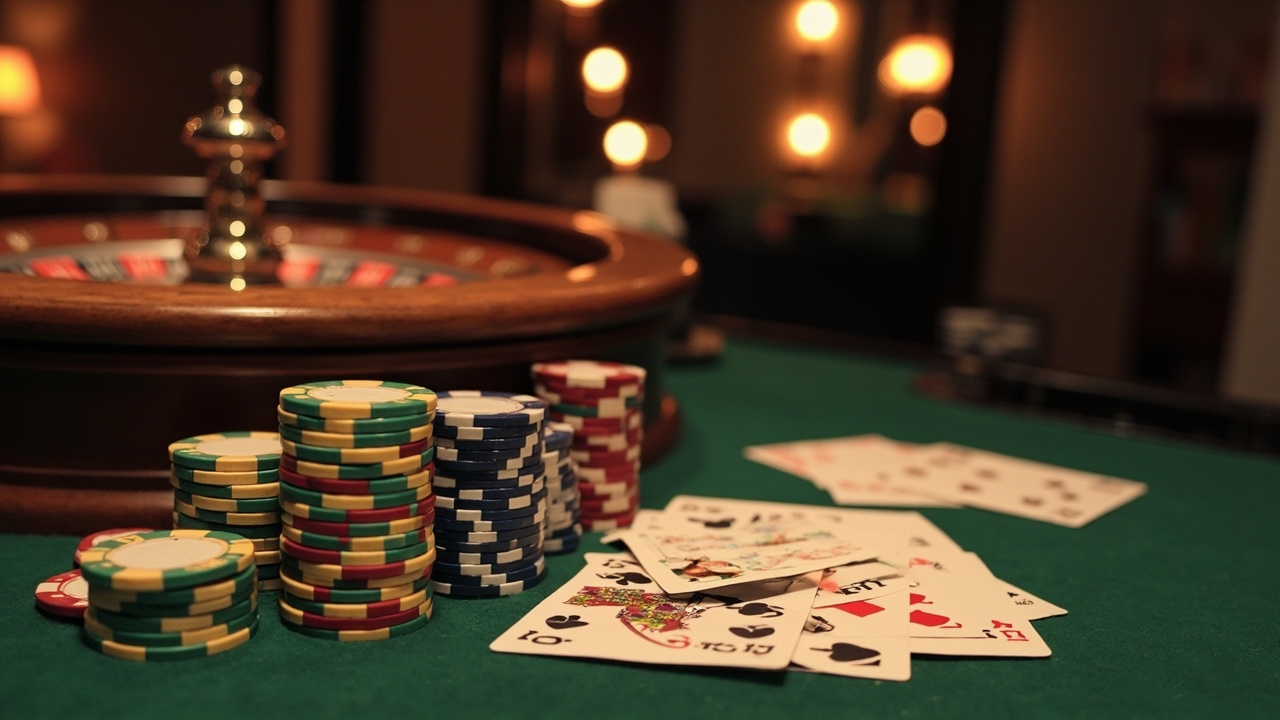
A live dealer roulette table is built around a real wheel, a camera overhead, and a croupier who handles the ball the way a floor manager would back in the day. The stream usually runs at a higher bitrate than a casual video call, so the ball drop and the number call stay readable even when your connection is busy as a Saturday arvo. I’ve evaluated domain traffic and affiliate funnels for twenty-five years, and the tables that keep people returning are the ones with consistent pacing and clear bet layouts rather than flashy overlays that obscure the felt. On a good session, you’ll see the betting grid, the side bets if the table offers them, and a small panel showing the last twenty-odd results. The croupie speaks in plain English, explains the minimum and maximum stakes, and waits for the betting window to close before spinning. That rhythm matters more than any bonus mechanic, because it’s the part you actually experience every minute you’re seated.
If you want a second look at how the online version compares to an Italian-style table setup, a clearer way to play online breaks down the visual differences and the pacing that players notice when they switch between studios. The point is that the table you choose changes how you read the wheel, not just what chips you push.
Reading the Table Before You Put Chips In
Before you place a single chip, it helps to understand the layout in front of you. A live dealer roulette table usually shows a main grid with the familiar numbers and a set of outside bets along the bottom or side. The studio lighting is tuned so the wheel rim, the ball, and the pocket colours stay visible, and the croupier calls the result in a steady voice while the on-screen ticker updates. I’ve watched affiliate flows for a long time, and the sessions that feel calmer are the ones where the interface doesn’t crowd the wheel with pop-ups or animated effects that compete with the actual spin. Some players swear by little routines – there’s a common belief among some gamblers, especially in parts of Asia, that wearing red underwear for luck sets the tone before a session – but the table itself doesn’t care what you wear, only how you read the pace.
When you’re figuring out which seat suits you, it’s worth reading a spinsamurai review australia to see how a local player describes the registration flow, the first deposit, and the way the lobby sorts tables by stake range. That kind of detail matters because the same game can feel very different depending on whether the minimum is five dollars or fifty and whether the table caps outside bets at a fixed multiple of the straight-up limit.
The Wheel, the Ball, and the Call
The wheel is the centre of attention, and the croupier’s call is what ties the stream together. You’ll hear the number read aloud, see the dolly placed on the winning pocket, and watch the board mark the result before the next betting window opens. The dealer doesn’t rush the call, and that steady cadence is part of why people sit in for longer stretches than they would with a software-only spin. The camera angle usually shifts just enough to show the ball crossing the rim, so you can follow the final seconds rather than only seeing the outcome after the fact.
Bets You Can Actually Place
The betting grid is where most of the decision-making happens. Straight-up numbers sit in the middle, and the outside bets – red or black, odd or even, the dozens and the columns – line the edges. Some tables add side bets, but those usually carry a different house edge and a different payout, so it’s worth knowing what you’re buying before you lock a chip in. The limits are displayed on the table banner, and the croupier will remind you when the betting window closes, which keeps the pace consistent from spin to spin.
How the Stream and Controls Work
The player panel usually sits to one side and shows your balance, the current stake, and a few quick buttons for common bets. You can often set a repeat bet so you don’t have to drag chips across the grid every time, and there’s usually a clear indicator for the remaining seconds in the betting window. The stream itself is buffered enough to stay steady, but it’s still a live feed, so a momentary dip in your connection can make the last second of a spin look blurry. That’s normal, and it’s why a stable link matters more than a fancy interface.
Who This Fits and How to Start
Live dealer roulette suits players who want a visible wheel and a human call rather than a screen that simply flashes a result. It’s a decent fit if you like to watch the ball travel the rim and make decisions inside a clear betting window, but it’s less comfortable if you want instant, automated spins with no waiting between chickenroad2au.org rounds. I’ve built affiliate and domain projects across digital marketing for twenty-five years, and the tables that convert best are the ones that explain their limits and pacing upfront instead of burying the details behind a wall of marketing copy. If you’re new to the format, here’s a straightforward way to get your first session running without overcomplicating it.
- Pick a table whose minimum stake matches the bank you’re comfortable using for the session, and check the maximum outside bet so you know how far a colour or dozen bet can scale.
- Register with the details the table asks for, complete any verification the operator requires, and fund the account in the currency the site uses so you’re not guessing at conversion rates mid-session.
- Sit in on a few spins without placing chips, just to hear the croupier’s call and watch how the betting window opens and closes.
- Start with outside bets if you want a slower, more readable pace, or place small straight-up chips if you prefer watching individual numbers.
- Use the table’s repeat-bet button if it’s available, and keep an eye on the timer so you’re not caught after the window shuts.
- Set a session limit before you place the first chip, and step away when that limit is reached rather than chasing a run that didn’t go your way.
Blake Watson, Head of Live Casino at Boomerang Gaming Insights, puts it plainly: players who understand the table limits and the pace of the call tend to stay calmer than those who chase a feeling they think the wheel owes them. Cameron Walker, Head of Public Relations at Tasman Gaming Partners, adds that the stream quality and the clarity of the betting window are what separate a session people return to from one they leave after ten minutes. Neither is suggesting a system that beats the wheel – they’re pointing at the parts you can actually control.
A good live dealer roulette table gives you a visible wheel, a steady call, and limits that are easy to read before you commit chips. It’s not a shortcut to anything, and it doesn’t remove the risk that comes with any spin, but it does give you a format where what you see is what you get. If you want a table that feels like a room rather than a screen, this is the format to try first.